Review: Colorful Embroidery Stitch Patterns Show
As a designer who spends more time staring at stitch simulations than most people care to admit, I approach new design assets with a healthy dose of skepticism. We have all seen those digital previews that look vibrant on a screen but turn into a tangled mess of thread breaks and puckering once they hit the fabric. That is why my initial look at Colorful Embroidery Stitch Patterns Show was less about admiration and more about interrogation. This collection, categorized under Illustrations and Graphics, promises a showcase of decorative and practical hand embroidery patterns. But does it hold up when you are trying to meet a deadline for a boutique order or fill an Etsy shop with holiday inventory? After mentally walking through several real-world applications, here is my practical judgment on whether this collection belongs in your commercial library.
First Impressions: Visual Personality and Mood
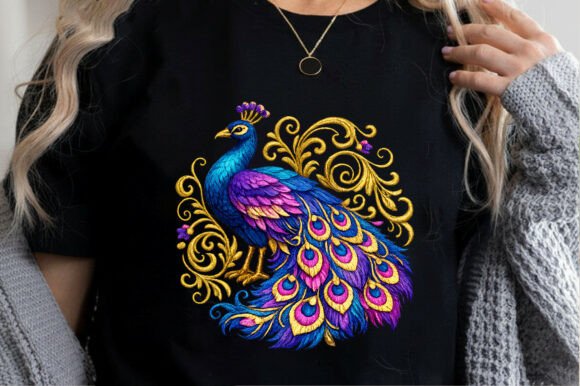
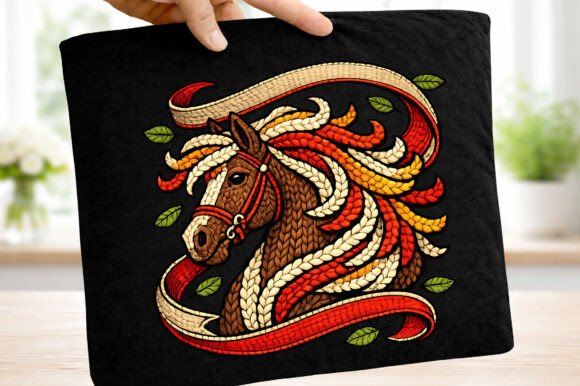
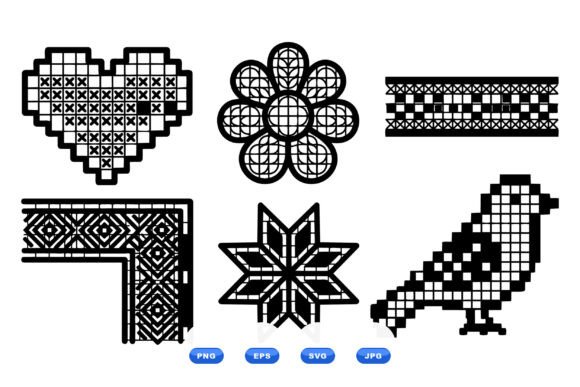
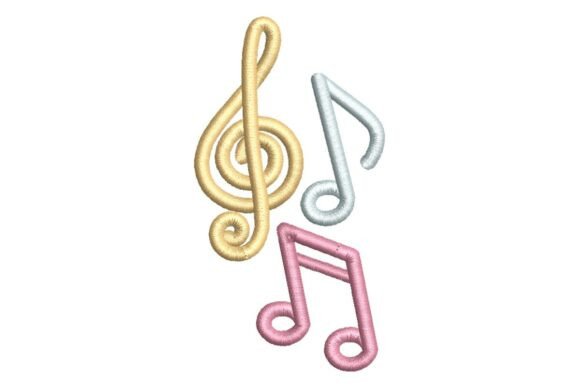
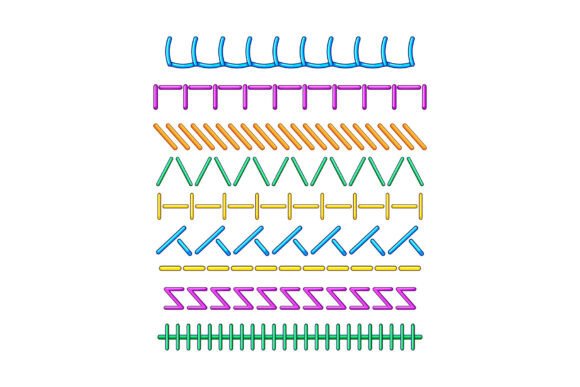
The first thing that strikes you about Colorful Embroidery Stitch Patterns Show is its cheerful, almost nostalgic energy. The layout presents various stitching formations against a clean white background, which immediately signals versatility. Unlike some modern, abstract machine embroidery design packs that rely on heavy density and metallic threads, these patterns feel rooted in traditional craftsmanship. The visual personality suggests a "slow made" aesthetic, which is currently dominating the handmade market.
From a design perspective, the shapes appear distinct and well-defined. The color palette is not just random; it seems curated to evoke warmth and creativity. For a crafter or small business owner, this mood is crucial. It tells a story before a single stitch is dropped. Whether you are branding a line of nursery decor or creating personalized gifts for a wedding party, the inherent charm of these graphics sets a tone of care and attention to detail. However, because these are presented as illustrations of hand embroidery, the translation to a digital embroidery file requires careful consideration of how those organic lines convert to machine commands.
Real-World Application: From Screen to Sweatshirt
To truly evaluate this collection, I imagined a specific scenario: preparing a custom order for a local coffee shop that wants branded tote bags and aprons for their staff. They need something that looks artisanal but can withstand daily wear and washing. Colorful Embroidery Stitch Patterns Show fits this brief surprisingly well. The decorative elements would work beautifully as a chest logo on an apron or a central motif on a canvas tote bag design.
Imagine applying one of these floral or geometric formations to a heavy cotton sweatshirt. The colorful thread stitching formations would pop against neutral heather grey or navy blue, creating a high-value finished product. For an Etsy seller focusing on baby items, these patterns could be scaled down for baby embroidery on onesies or burp cloths, offering a soft, tactile appeal that parents love. The key here is the balance between decoration and practicality. These do not look like overly dense fills that would make a garment stiff; rather, they suggest a mix of running stitch outlines and lighter fill stitch areas, which is ideal for comfort.
Furthermore, for those selling digital products, these graphics serve as excellent printable mockup elements. You can use the clean illustrations to show potential clients what a customized patch or pillow cover could look like before you even hoop the fabric. This visual aid builds customer trust and increases buyer engagement, as clients can clearly see the design intent.
Navigating Fabric Textures and Hoop Limitations
While the visual appeal is strong, a professional reviewer must address the technical hurdles. Not every surface is created equal. If you plan to use Colorful Embroidery Stitch Patterns Show on textured fabrics like waffle knit towels or looped terrycloth, you need to be cautious. The finer details in the illustration might get lost or distorted if the stitch density is too low to bridge the gaps in the fabric texture. Similarly, stretchy fabrics used in custom apparel require a robust stabilizer strategy. Without proper backing, these colorful patterns could pucker, ruining the crisp lines that make the design attractive.
Curved surfaces present another challenge. Applying these designs to caps or hats requires checking the hoop size compatibility. Some of the wider formations in the collection might exceed the standard cap frame dimensions. If you are working on a small hoop project, like a pocket emblem on a denim jacket, you may need to isolate specific elements of the pattern rather than using the full composition. Additionally, dark fabrics pose a risk if the design relies heavily on outline stitches without sufficient underlay or saturation. Always test the thread color contrast; a bright yellow running stitch might vanish against a mustard-colored fleece.
Designer Notes for Commercial Success
Before committing this collection to a client project or listing it as part of your craft business offerings, there are several non-negotiable steps to take. First, never skip the scrap fabric test. Stitch the design on the exact material you intend to use for the final product. This reveals issues with tension, registration, and thread breaks that a screen preview cannot show.
- Check Licensing Terms: Since this is a collection of graphics and illustrations, verify if the license allows for commercial resale of the stitched item or if it is for personal use only. This is critical for commercial embroidery projects.
- Inspect Small Details: Zoom in on the tiny corners and intricate intersections. In hand embroidery, a needle can pivot easily; in machine embroidery, tight turns can cause bird nests. Ensure the digitized version handles these transitions smoothly.
- Mockup Testing: Create black and white mockups to ensure the design holds its shape without relying solely on color. A strong design should be recognizable even in monochrome.
- Stabilizer Selection: Match your stabilizer to the fabric weight. Heavy designs need cut-away stabilizers for durability, while lighter patterns might suffice with tear-away for temporary projects.
- File Format Verification: Confirm that the digital embroidery file formats provided match your machine's requirements. Do not assume compatibility.
Final Verdict on Value and Professionalism
Ultimately, Colorful Embroidery Stitch Patterns Show offers a solid foundation for creators looking to add a touch of handmade warmth to their product lines. Its strength lies in its adaptability across various mediums, from embroidered patches to home decor items like pillow covers and tea towels. When executed with the right materials and technical preparation, these patterns elevate the perceived value of a handmade product, signaling to the customer that quality and thought went into the creation.
For the small shop product lineup, consistency is key. Using a cohesive set of patterns like this helps build brand recognition. Customers begin to associate these specific colorful formations with your shop's identity. However, remember that the digital graphic is just the starting point. The true magic happens in the execution. By respecting the limitations of your machinery, choosing the right thread colors, and understanding the behavior of your fabric, you can transform these illustrations into stunning, tangible assets that drive sales and delight recipients. Whether for a holiday gift or a year-round boutique staple, this collection has the potential to perform exceptionally well in the right hands.