Retro Coffee Cup Character: A Designer's Review for Real Projects
As someone who spends more time staring at stitch maps than most people spend on their phones, I approach every new machine embroidery design with a mix of excitement and skepticism. We've all been there: you buy a cute file, load it onto your machine, and halfway through the run, you realize the density is going to turn your fabric into cardboard or the tiny details will vanish into a thread blob. That is why I took a close look at the Retro Coffee Cup Character before committing it to a client project. This isn't just a quick glance at a thumbnail; this is an evaluation of how this walking caffeine enthusiast holds up when the needle hits the cloth.
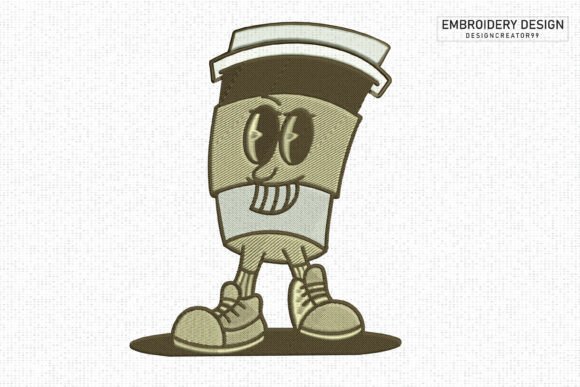
The first thing that strikes you about this design is its personality. In the world of Tea Coffee themed merchandise, we often see static mugs or generic beans. This character, however, has legs. It has a sleeve, shoes, and a toothy grin that screams "morning energy." The retro, cartoon style gives it a nostalgic vibe that fits perfectly with current trends in boutique apparel. When I loaded the digital embroidery file into my editing software to inspect the stitch path, I was looking for potential trouble spots. The large, wide eyes are a focal point, but they also represent a risk. If the stitch density is too high in those small circular areas, they can pucker. Fortunately, the layout seems to prioritize clarity over excessive filling.
Putting the Design to the Test: A Real-World Scenario
To truly judge an embroidery project, you have to imagine it on a finished product. I envisioned a custom order for a local café that wanted branded tote bags for their loyalty program. They needed something fun, recognizable, and durable enough for daily use. The Retro Coffee Cup Character felt like an immediate contender for this tote bag design.
I ran a test stitch-out on a medium-weight canvas, which is standard for tote bags. The character's thin legs were my primary concern. On stretchy or loose-weave fabrics, fine lines can get lost or distort. However, on the stabilized canvas, the legs held their shape remarkably well. The shoes provided a solid anchor for the bottom of the design, preventing the whole image from looking top-heavy. For a small shop product, this balance is crucial. You want the design to look intentional, not like it's tipping over.
Beyond tote bags, I could see this working beautifully as sweatshirt embroidery. Imagine a cozy, oversized crewneck with this character stitched on the left chest or as a larger back print. The retro aesthetic pairs wonderfully with vintage-style fleece. For Etsy sellers looking to expand their design assets, this offers versatility. It works for baby embroidery on onesies (provided you scale it down appropriately and check the detail level), aprons for baristas, or even pillow covers for home decor. The "walking" aspect adds a dynamic feel that static logos lack, making it a strong candidate for personalized gift items where you want to evoke a smile.
Technical Considerations and Fabric Compatibility
While the character is charming, practical application requires a critical eye. Not every surface is friendly to this specific design. If you are planning to stitch this onto a curved surface like a cap, proceed with caution. The thin legs and the potentially detailed mouth area might struggle against the curvature of a structured hat unless you are using a very experienced digitizer's file or adjusting the pull compensation yourself.
Fabric texture plays a massive role here. On a smooth, tight-weave cotton or poly-blend, the satin stitch borders (assuming standard cartoon outlining) will pop. However, if you attempt this on a highly textured towel or a fuzzy blanket, those fine details in the eyes and teeth might get swallowed by the fabric pile. For holiday embroidery gifts like kitchen towels, I would recommend using a heavy-duty cut-away stabilizer to prevent distortion, as towels are washed frequently and undergo significant stress.
Color selection is another vital factor. The description mentions a retro style, which often implies a specific palette—creams, browns, muted reds. When working on dark fabric, you must ensure your thread colors have enough contrast. A dark brown cup on a black sweatshirt will vanish. You may need to adjust the thread chart to include a lighter outline or a backing layer to make the finished product readable. Always test your design in a black-and-white mockup first to check value contrast before you ever thread the needle.
Commercial Viability and Brand Consistency
For craft business owners and commercial embroidery professionals, the value of a design lies in its reliability and appeal. The Retro Coffee Cup Character has high "giftability." It appeals to coffee lovers, a demographic that is notoriously passionate about their gear. Using this design can enhance brand consistency for cafes or roasters who want a mascot that feels approachable rather than corporate.
However, before listing this as a printable mockup or selling the physical goods, you must verify the licensing terms. Just because a file looks great doesn't mean it is cleared for unlimited commercial use. Check whether the license allows for sale on physical goods like custom apparel or if it is restricted to personal use only. Additionally, confirm the available hoop size options. If the design is only available in a large format, it limits your ability to use it on smaller items like baby bibs or pocket patches.
Final Verdict and Designer Notes
My overall impression of the Retro Coffee Cup Character is positive, but with the necessary caveats of a seasoned practitioner. It is a design with soul, offering a playful break from the mundane. To get the best results:
- Test on scrap fabric first: Never skip this step, especially with character designs that have distinct features like eyes and legs.
- Check stitch density: Ensure the fill areas aren't so dense that they cause puckering on lighter fabrics.
- Inspect small details: Zoom in on the toothy grin and eyes. If they look too tight in the preview, they might break during washing.
- Verify file formats: Ensure the embroidery file comes in the format compatible with your specific machine brand.
- Consider the end use: Is this for a wall hanging or a washable garment? Adjust your stabilizer strategy accordingly.
In the competitive market of handmade goods, the difference between a sale and a scroll-past often comes down to the quality and charm of the design. This character has the potential to be a standout star in your Etsy listings or boutique catalog, provided you respect the technical limitations of your materials. It's a reminder that in embroidery, creativity and technical precision must walk hand in hand—much like our little coffee cup friend.