Reindeer Dog Christmas: A Designer's Review for Holiday Stitching
As a designer who spends more time staring at stitch maps than actual holiday decorations, I approach every new machine embroidery design with a critical eye. It is not enough for a file to look cute on a screen; it must translate flawlessly onto fabric, withstand the tension of the hoop, and deliver a finished product that feels professional. Recently, I evaluated the Reindeer Dog Christmas design to see if it holds up under the pressure of real-world production, specifically for small business owners and crafters looking to elevate their seasonal offerings.
First Impressions and Visual Personality
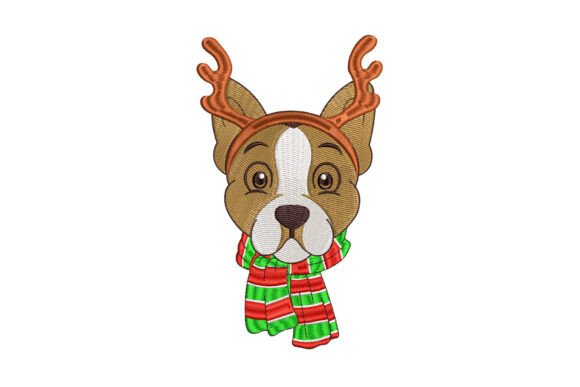
Upon loading the digital embroidery file into my editing software, the first thing that struck me was the charming duality of the theme. Blending the whimsy of a pet with the nostalgia of the holidays creates an immediate emotional connection. The layout appears balanced, avoiding the common pitfall of overcrowding details that often leads to thread breaks or muddy visuals once stitched. The visual personality of Reindeer Dog Christmas leans towards playful yet refined, making it versatile enough for high-end boutique items without losing its cozy, handmade appeal.
The interplay between potential satin stitch outlines and fill stitch bodies suggests a design that prioritizes texture. In an era where flat, digitized looks are becoming too common, this design promises to add the depth and tactile quality that customers associate with premium handmade products. It feels less like a generic clipart conversion and more like a thoughtfully constructed piece of art intended for fabric.
Real-World Application: The Holiday Tote Scenario
To truly test the viability of this design, I envisioned a specific project: a custom order for a local boutique needing fifty tote bag designs for a holiday market. The client wanted something unique that wasn't just another snowflake or Santa clause. Reindeer Dog Christmas fit the brief perfectly.
When imagining this on a canvas tote, the design's lines need to be crisp. For a project like this, the density of the stitches is crucial. If the stitch density is too high, the fabric will pucker, ruining the clean lines of the dog's silhouette. If it is too low, the backing fabric might show through, especially on lighter thread colors. My assessment suggests that with the right stabilizer—likely a cut-away for a bag that will carry weight—this design would sit beautifully on the surface, creating a focal point that draws the eye without overwhelming the material.
Beyond totes, I can see this thriving as sweatshirt embroidery. The cozy nature of a reindeer dog pairs naturally with fleece or French terry cloth. However, working with stretchy fabrics requires caution. The design elements must be flexible enough to move with the garment. A rigid, dense block of stitching on a sweatshirt sleeve can feel uncomfortable and restrict movement. Assuming the digitizing accounts for fabric stretch, this could become a best-seller for custom apparel shops during the fourth quarter.
Navigating Technical Challenges
While the aesthetic is strong, practical execution requires attention to detail. One area where designers must exercise caution is the choice of hoop size. If your machine has a smaller hoop limitation, you must verify that the design fits without needing to be resized to a point where detail is lost. Shrinking a complex design too much can cause tiny details to merge, turning distinct features into a blob of thread.
Fabric texture also plays a massive role. On a smooth cotton poplin, the Reindeer Dog Christmas design will likely look sharp and defined. However, on textured fabrics like wool blends or heavy linen, the running stitch details might get lost in the weave. I recommend testing the design on scrap fabric that matches your final product exactly. This is non-negotiable for professional results.
Furthermore, consider the background color. While the design likely comes with suggested thread colors, its performance on dark fabrics versus light fabrics can vary drastically. A design optimized for white fabric might lack the necessary underlay or contrast to pop on a navy blue jacket. Always run a test stitch-out on the actual garment color you intend to sell. For those creating printable mockups for Etsy listings, ensure your digital previews accurately reflect how the threads interact with different fabric shades to manage customer expectations.
Commercial Viability and Brand Consistency
For the Etsy seller or craft business owner, consistency is key to building trust. Using a design like Reindeer Dog Christmas across a range of products—from embroidered patches to kitchen towels—can help establish a cohesive holiday collection. The uniqueness of the subject matter helps your brand stand out in a saturated market. Customers are increasingly looking for personalized touches; offering this design as part of a personalized gift service, perhaps adding a name underneath (if the file allows or if you have the skills to add lettering), increases the perceived value significantly.
However, before listing items for sale, you must address licensing. The description notes it is perfect for home and fashion projects, but commercial rights vary by creator. Never assume a machine embroidery design is free for commercial use unless explicitly stated. Check the terms regarding the number of physical items you can sell and whether you can resell the design assets themselves. Protecting your small shop product line starts with respecting intellectual property.
Practical Notes for the Working Designer
To ensure the best outcome with Reindeer Dog Christmas, keep these technical checkpoints in mind:
- Stabilizer Selection: Match the stabilizer to the fabric weight. Use tear-away for stable wovens and cut-away for knits or items that will undergo frequent washing.
- Thread Contrast: Experiment with thread choices. Sometimes a monochromatic look offers a sophisticated vibe, while traditional reds and greens scream holiday cheer.
- Density Check: Inspect the stitch count visually in your software. High-density areas may require a sharper needle to prevent deflection.
- Detail Inspection: Zoom in on small corners and intricate parts of the dog's features. Ensure there are no micro-stitches that your machine might struggle to execute.
- Wash Testing: If selling baby embroidery items or kitchen linens, wash the test sample multiple times to ensure the design holds up without fraying or puckering.
In conclusion, Reindeer Dog Christmas offers a delightful blend of character and seasonal spirit that, when handled with technical precision, can elevate a standard embroidery project into a cherished keepsake. Whether you are decorating a cap, finishing a pillow cover, or launching a new line of holiday embroidery goods, this design has the potential to perform well. Just remember: the difference between a good stitch-out and a great one often lies in the preparation. Test your materials, respect the machine's limits, and let the charm of the design shine through your craftsmanship.