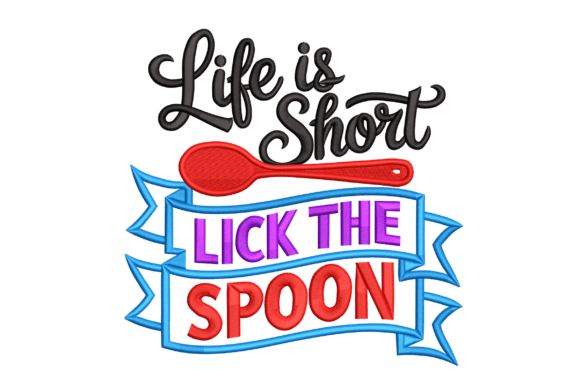
Life is Short Lick the Spoon: A Designer's Review
As an embroidery designer who spends countless hours digitizing and stitching for clients, I am always on the lookout for machine embroidery design files that balance whimsy with technical reliability. Recently, I came across the Life is Short Lick the Spoon pattern on Creative Fabrica. With the holiday season approaching and a backlog of custom kitchen textile orders, I needed a design that could elevate a simple towel into a boutique-worthy item. This review breaks down my experience evaluating this file for real-world commercial use, focusing on its aesthetic appeal, stitch quality, and potential for small business owners.
First Impressions and Visual Mood
The moment I previewed the Life is Short Lick the Spoon design, the playful energy was undeniable. In the world of Kitchen Cooking themed decor, designs often lean too heavily into rustic farmhouse clichés or overly complex culinary scenes. This design stands out by offering a modern, tongue-in-cheek approach that feels fresh. The typography appears bold and inviting, perfectly paired with the central spoon motif. For a designer, the "stitching personality" of a file is just as important as the image itself. Does it look like it was drawn by a machine, or does it mimic hand-drawn charm? This embroidery file seems to strike a nice balance, utilizing a mix of satin stitch for the lettering and likely a combination of fill stitch and running stitch for the spoon details to create texture without excessive bulk.
The decorative appeal here is versatile. It isn't just for aprons; the mood fits perfectly on a cozy sweatshirt for a baking enthusiast or a canvas tote bag for a local farmer's market vendor. The visual simplicity ensures that the message reads clearly even from a distance, which is crucial for products displayed at craft fairs or in online printable mockup galleries.
Performance in Real Embroidery Projects
When considering a new asset for my library, I mentally run through a checklist of potential applications. How would Life is Short Lick the Spoon perform on various substrates? Here is how I see this design fitting into a production workflow:
- Custom Apparel: The design is ideal for sweatshirt embroidery. The phrase resonates well with home cooks who aren't afraid to get messy. On a heavyweight cotton blend, the stitches should pop beautifully.
- Kitchen Textiles: This is the natural home for the design. Embroidering onto flour sack towels or high-quality aprons adds immediate value. It transforms a generic store-bought item into a handmade product with character.
- Tote Bags and Caps: For a tote bag design, the centered layout works well. However, for caps, one must be cautious. Curved surfaces require careful hooping, and if the design has dense areas, it might pucker on the structured front panel of a baseball cap.
- Patches and Applique: If you are looking to create an embroidered patch, this design's clear outlines make it a strong candidate. It could also be adapted into an applique design if you want to reduce stitch count and add fabric texture, though you would need to verify if the file includes applique layers or if it is a standard fill design.
- Nursery and Gifts: While categorized under cooking, the sentiment is universal. It could work as a quirky personalized gift for a new parent who loves to cook, stitched onto a bib or a nursery pillow cover.
Technical Considerations for Commercial Use
Before running this design on a final customer order, there are several practical factors every creative entrepreneur must address. The success of a finished product often hinges on the preparation rather than just the file itself.
Fabric and Stabilizer Selection: Kitchen towels often have a loose weave, while t-shirts are stretchy. For the Life is Short Lick the Spoon design to hold its shape, using the correct stabilizer is non-negotiable. On stretchy fabrics like jersey knits for t-shirts, a cut-away stabilizer is usually safer than tear-away to prevent distortion after washing. For textured waffle-weave towels, you may need a water-soluble topper to keep the stitches from sinking into the fabric loops.
Stitch Density and Detail: One common pitfall in digital embroidery file usage is ignoring stitch density. If the spoon handle or the smaller letters in "Lick" are too dense, they can cause the fabric to pucker or the thread to break. I always recommend stitching a test on scrap fabric first. Check the transition between color changes. If the design uses many thread colors, ensure your machine's tension is balanced so the bobbin thread doesn't pull through to the top, especially on dark fabrics.
Hoop Size Constraints: Always confirm the required hoop size before purchasing. While this design looks compact, some versions of popular files come in multiple sizes. Ensure your machine's hoop can accommodate the largest version if you plan to offer size variations to your customers. Small hoop sizes might limit your ability to center the design on larger items like full-back sweatshirts.
Enhancing Product Value and Brand Trust
In the competitive landscape of Etsy and handmade markets, presentation is everything. Using a high-quality design like Life is Short Lick the Spoon can significantly impact buyer trust. When a customer sees clean, crisp lettering and well-defined edges, they perceive the entire item as higher quality. This attention to detail reinforces your brand consistency.
Furthermore, the "giftability" of an item increases when the design feels intentional and trendy. A towel with a generic print feels disposable; a towel with professional commercial embroidery feels like a keepsake. This emotional connection drives customer engagement and encourages repeat business. For those selling design assets or finished goods, using such a recognizable and fun phrase can also improve click-through rates on social media ads and product listings.
Final Verdict and Best Practices
The Life is Short Lick the Spoon design offers a fantastic opportunity for embroidery designers to add a touch of humor and style to their product lines. Its versatility across different materials—from sturdy denim aprons to soft baby blankets—makes it a valuable addition to any Creative Fabrica embroidery collection.
However, remember that the file is only half the equation. To ensure the best results:
- Test First: Never skip the sample stitch-out. Compare how it looks on light versus dark fabric mockups.
- Check Licensing: Before selling finished items, review the license terms on the Creative Fabrica product page. Most allow commercial use of finished physical goods, but restrictions may apply to reselling the digital file itself.
- Inspect Details: After stitching, closely inspect small details and lettering connections. Trim jump threads carefully to maintain a professional finish.
- Verify Specs: Since specific stitch counts and format compatibility were not detailed in the brief description, always download the preview or check the full product listing to ensure the file formats (PES, DST, EXP, etc.) match your specific machine model.
By treating this design with the care it deserves during the setup and stitching phases, you can create stunning, market-ready items that customers will love. Whether you are decorating a local boutique's merchandise or fulfilling a custom order for a friend, this design has the potential to be a standout piece in your portfolio.