Ladybug on Leaf: A Designer's Review for Small Business Merch
As an embroidery designer who has spent years digitizing and reviewing files for commercial use, I approach every new machine embroidery design with a critical eye. It is not enough for a file to look pretty on a screen; it must perform flawlessly on fabric, withstand washing, and elevate a brand's identity. Today, I am reviewing the Ladybug on Leaf design, a nature-inspired creation from the Bugs Insects category. This review is specifically tailored for small business owners, apparel decorators, and handmade brands considering this asset for their product lines.
First Impressions: Visual Personality and Brand Fit
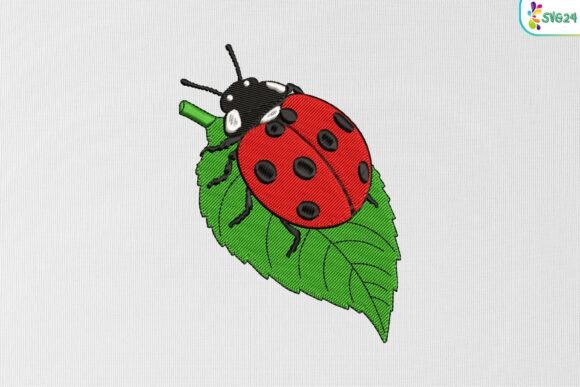
Upon loading the digital embroidery file into my simulation software, the immediate impression of Ladybug on Leaf is one of charming professionalism. The description promises a "vibrant red ladybug resting on a detailed green leaf," and visually, it delivers a balance between playful and elegant. For a boutique, florist, pet brand, or creative studio, this design avoids the trap of looking too childish. Instead, it exudes a rustic yet premium aesthetic that aligns perfectly with current trends in eco-friendly and handmade branding.
The color palette is classic. The contrast between the red insect and the green foliage is naturally high, which is crucial for visibility on various garment colors. However, the true test lies in how these thread colors translate to physical thread. In a business context, this design feels versatile enough to serve as a primary logo for a garden center or a subtle accent for a bakery's staff uniforms. It captures the "beauty of nature" without feeling cluttered, making it a strong candidate for brands that want to project warmth and approachability.
Real-World Application in Commercial Embroidery
When evaluating Ladybug on Leaf for actual production, I consider where it adds the most value to a client's inventory. Here is how this design performs across different merchandise categories:
- Embroidered Patches: This is perhaps the strongest use case. The defined shape of the leaf and the ladybug makes it ideal for die-cut or merrow-edge patches. These can be sold as standalone accessories or applied to denim jackets and tote bags.
- Staff Uniforms and Aprons: For a café or florist, placing this design on the chest pocket of a work shirt or the bib of an apron embroidery project adds a touch of personality. It reinforces the brand's connection to nature without overwhelming the uniform.
- Cap Embroidery: Placing this on the front panel of a dad hat or visor works well, provided the digitizing accounts for the curve. The leaf offers a nice horizontal base that sits comfortably above the brim.
- Tote Bag Design: Canvas bags are a staple for small businesses. A medium-sized version of this design on a natural cotton tote creates an instant "finished product" that customers love to carry.
- Product Packaging Accents: Smaller versions can be stitched onto fabric tags attached to handmade goods, serving as a seal of quality and authenticity.
For Etsy sellers and merch creators, the versatility of this file means you can create a cohesive collection. Whether it is a baby onesie for a nursery brand or a canvas pouch for a cosmetic line, the Ladybug on Leaf adapts well to different contexts within the Bugs Insects niche.
Technical Considerations and Production Challenges
While the aesthetic is strong, a professional designer must address the technical hurdles before running a production batch. The description mentions a "detailed green leaf," which raises flags regarding stitch density and small details. Here are the critical factors to evaluate:
- Size Limitations: If you intend to use this as a tiny chest logo (under 2 inches), the details in the leaf veins and the ladybug's spots may merge. High stitch density in small areas can cause puckering, especially on stretchy fabrics. Always request or check the minimum recommended size.
- Fabric Texture: This design will look crisp on twill, denim, or canvas. However, on textured fabrics like Terry cloth or fuzzy fleece, the fine details of the leaf might get lost. Test stitches on the actual fabric you plan to sell are non-negotiable.
- Dark Uniforms: While the red and green pop, ensure the digitizer has included proper underlay stitching. Without adequate underlay, the bright threads may sink into dark polo shirts, reducing vibrancy and professionalism.
- Curved Surfaces: For cap embroidery, the hoop size and framing are vital. The leaf's curvature must align with the cap's panel to avoid distortion. If the design was not specifically digitized for caps, it may require manual adjustment.
It is also essential to verify the hoop size requirements. If your commercial machine has a limited field, ensure the design fits without needing a re-hoop, which slows down production. Since the product description does not specify exact stitch counts or dimensions, you must obtain these specs from the vendor before committing to a large order.
Impact on Brand Identity and Customer Trust
In the world of small business merch, consistency is key. Using a high-quality embroidery file like Ladybug on Leaf signals to customers that you care about quality. A sloppy, poorly stitched logo can undermine trust, whereas a clean, vibrant emblem enhances perceived value. This design helps build a recognizable brand identity. When a customer sees that specific ladybug on a tote bag, an apron, and a patch, it creates a visual anchor that fosters recognition.
Furthermore, nature-themed designs resonate deeply with modern consumers who value sustainability and organic aesthetics. By incorporating this into your custom apparel or handmade product lines, you tap into an emotional connection. It suggests that your business is grounded, gentle, and attentive to detail—traits that drive buyer engagement and loyalty.
Practical Designer Notes for Implementation
Before integrating Ladybug on Leaf into your commercial workflow, follow this checklist to ensure success:
- Test in Black and White: Convert the preview to grayscale to check if the contrast holds up without color. This ensures the design remains legible if you ever need to switch thread palettes.
- Review Spacing: Zoom in on the digital file to inspect the spacing between the ladybug and the leaf edges. Tight spacing can lead to thread breaks or bird-nesting.
- Stabilizer Selection: Choose the right stabilizer for your fabric. Cut-away stabilizer is often best for items that will undergo frequent washing, ensuring the design stays flat over time.
- Create a Printable Mockup: Before stitching, generate a printable mockup to show clients how the design assets will look on their specific products. This manages expectations and secures approval.
- Verify Licensing: Confirm the commercial licensing terms. Ensure you have the right to use this digital embroidery file for unlimited merchandise sales if that is your business model.
- Compare Assets: Place this design beside your existing logos. Does it complement your current visual language, or does it clash?
In conclusion, Ladybug on Leaf is a promising asset for businesses looking to add a touch of nature to their merchandise. With its vibrant colors and charming subject matter, it fits well within the Bugs Insects category for embroidery. However, its success depends entirely on proper technical execution. By respecting the limitations of stitch density, choosing the right fabrics, and adhering to professional finishing standards, this design can become a cornerstone of your small business merch strategy. Always prioritize a test run on real fabric to guarantee that the final product reflects the elegance promised in the description.