Folk Cross Stitch Neckline Design Review for Brands
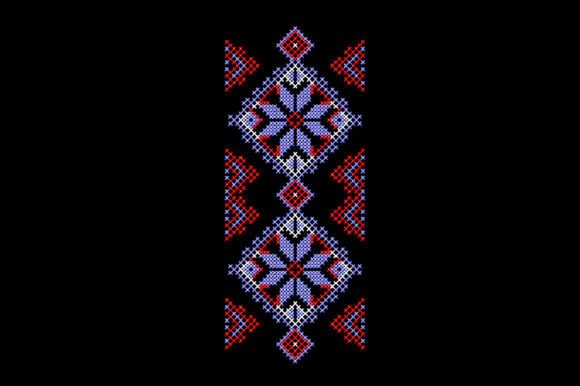
As an embroidery designer who has spent years digitizing and reviewing patterns for small business merchandise, I approach every new digital embroidery file with a critical eye. It is not just about whether a design looks pretty on a screen; it is about how it performs when stitched onto real fabric for commercial use. Recently, I evaluated the Folk Cross Stitch Neckline Design, a cross stitch digital embroidery design featuring a folk ukrainian pattern and ethnic ornament. My goal was to determine if this asset could serve as a viable component for branded patches, staff uniforms, and boutique product lines.
First Impressions: Visual Personality and Brand Fit
The immediate impression of the Folk Cross Stitch Neckline Design is one of authentic craftsmanship. Unlike vector-based logos that can sometimes feel sterile or overly corporate, this ethnic ornament carries a warmth that suggests a handmade product. The aesthetic is rustic yet elegant, making it an excellent choice for businesses that want to project values of tradition, care, and artisanal quality. For a local bakery, a florist, or a creative studio, this design does not just decorate; it communicates a story.
The description notes that the pattern is combined with white, gray, black, and other colors. This versatility is crucial for brand identity. A design that relies on a single specific shade of red might clash with a company's existing palette, but a pattern adaptable to monochrome or neutral tones offers significant flexibility. Whether you are aiming for a bold contrast on a dark uniform or a subtle, tonal accent on a light tote bag, the visual personality of this design feels both classic and modern enough to fit various market niches.
Real-World Applications for Small Business Merch
When considering small business merch, the application of the Folk Cross Stitch Neckline Design extends far beyond simple decoration. In a real-case scenario, imagine a boutique coffee shop looking to upgrade their staff attire. Applying this design as an apron embroidery detail near the chest or along the bib edge instantly elevates the garment from a standard utility item to a branded uniform that customers notice and appreciate.
For retail brands selling custom apparel, this design works exceptionally well as a neckline accent on t-shirts or hoodies. Because it mimics the look of traditional cross-stitch, it adds texture and depth that flat prints cannot achieve. Furthermore, for Etsy sellers and crafters, this embroidery file can be transformed into an embroidered patch. Patches are a low-risk, high-reward product; they can be ironed or sewn onto hats, bags, or jackets, allowing customers to customize their own gear while promoting your brand.
I also see strong potential for this design in the realm of tote bag design. Tote bags are ubiquitous marketing tools, and a folk-inspired corner motif or a central band across the top provides a sophisticated alternative to a large, center-placed logo. It suggests that the bag itself is a piece of art, increasing the perceived value of the finished product.
Strategic Placement and Technical Considerations
While the artistic merit of the Folk Cross Stitch Neckline Design is high, a professional review must address technical limitations. Cross-stitch styles rely on a grid-like structure, which means stitch density can become an issue if the design is scaled down too aggressively. If you intend to use this as a small patch or a pocket logo on a cap, you must verify the minimum size requirements. Tiny details may merge together if the thread colors are too close in value or if the fabric texture is too coarse.
Speaking of cap embroidery, curved surfaces present a unique challenge. The rigid nature of a cross-stitch pattern might distort slightly on the front panel of a baseball cap if not properly digitized for curvature. Similarly, when working with textured fabrics like canvas tote bags or heavy denim work shirts, the interaction between the fabric texture and the stitch type needs testing. A smooth satin stitch background might be necessary to ensure the folk pattern sits flat and legible.
Another critical factor is color contrast. The description mentions compatibility with white, gray, and black. However, if you are stitching this onto dark uniforms, you must ensure the lighter threads have enough opacity and coverage. Conversely, on light garments, the darker outlines must be distinct enough to define the ethnic ornament without bleeding into the surrounding fabric.
Impact on Brand Identity and Customer Trust
In today's market, consumers are increasingly drawn to brands that feel human and grounded. Utilizing the Folk Cross Stitch Neckline Design can significantly enhance brand identity by signaling a connection to heritage and manual skill. When a customer sees a meticulously embroidered folk pattern on a product label or a staff member's shirt, it subconsciously reinforces the idea that the business cares about details. This attention to detail builds customer trust and recognition.
Consistency is key. If this design is used across various touchpoints—such as on packaging accents, employee aprons, and limited edition merchandise—it creates a cohesive visual language. This consistency helps in building a memorable brand image. For handmade brands, this design acts as a seal of authenticity, distinguishing their goods from mass-produced imports. It turns a simple transaction into an engagement with a story, thereby increasing buyer loyalty.
Practical Notes for the Embroidery Professional
Before committing to a large production run of commercial embroidery projects using this file, I recommend a rigorous testing protocol. First, test the design in black and white. This removes the distraction of color and allows you to evaluate the clarity of the shapes and the integrity of the lines. Check if the design holds up at the smallest size you intend to use, particularly for embroidered patch applications.
Review the thread colors against your specific brand guidelines. While the design is versatile, you may need to adjust the color stops in your embroidery software to match your exact corporate hues. Inspect the spacing between elements; cross-stitch patterns can look muddy if the gaps between stitches are too narrow for your specific machine or thread type.
Confirm the hoop size required for the design. Although it is described as a neckline design, ensure your hoop fits the area you intend to embroider, especially on tricky items like cap fronts or structured bags. Always use the proper stabilizer for the fabric weight; a lightweight stabilizer on a heavy coat will lead to puckering, while a heavy one on a delicate blouse will make the garment stiff.
Create a printable mockup for client approval before stitching the final sample. This visual aid helps stakeholders understand how the design assets will look in context. Compare the Folk Cross Stitch Neckline Design beside your other branding elements to ensure visual harmony. Finally, and most importantly, confirm the commercial licensing terms. Since this is an instant download embroidery file, you must verify that the license permits use for small business merch and resale of finished goods. Do not assume; read the terms provided with the download to protect your business legally.
In conclusion, the Folk Cross Stitch Neckline Design is a potent tool for businesses seeking to add a touch of ethnic elegance and handmade charm to their products. With careful attention to sizing, fabric selection, and stabilization, it can transform standard Clothing and accessories into premium branded assets that resonate deeply with customers.